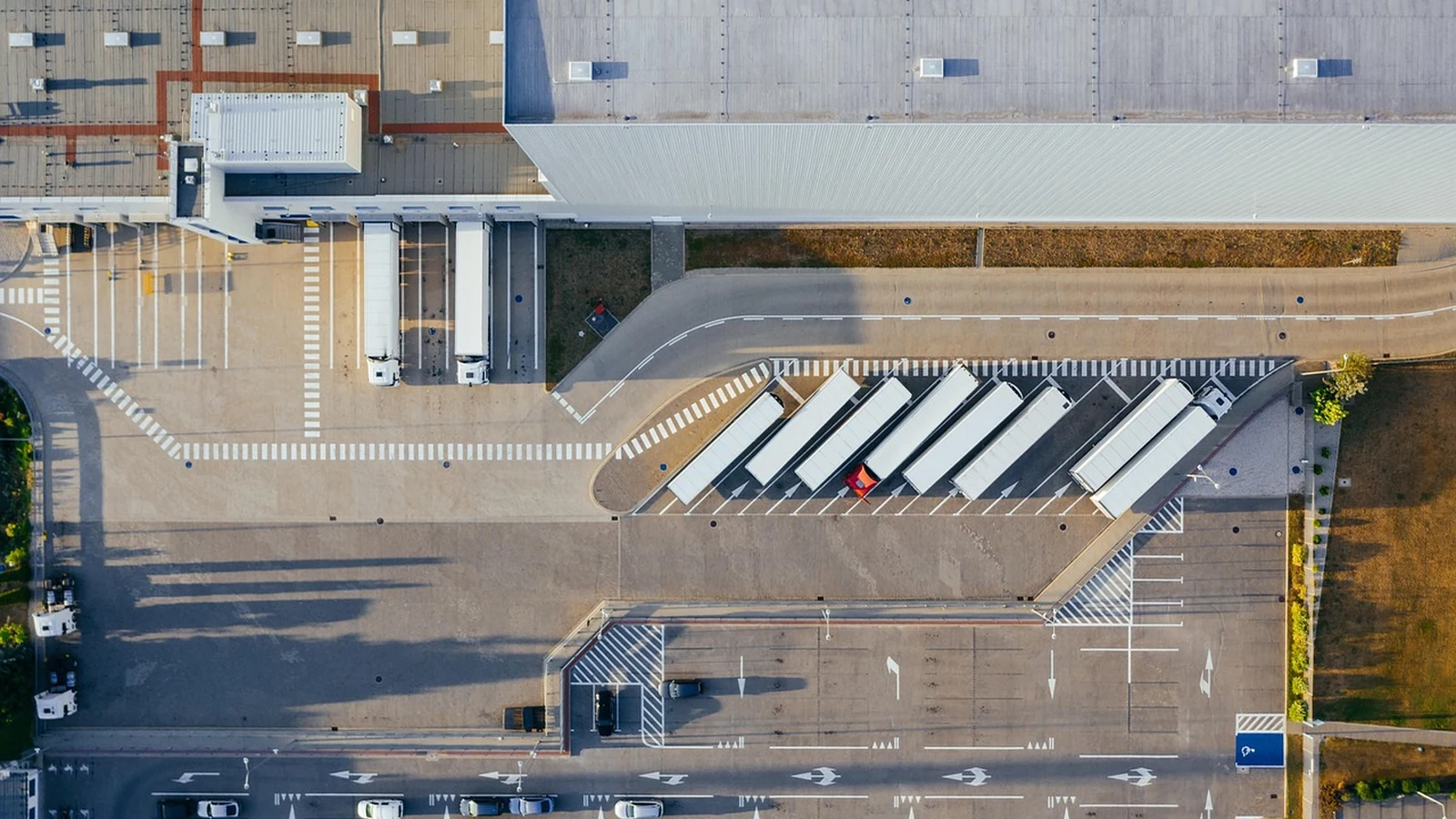
We ship air cargo from Moscow to Russian regions on Aeroflot flights from Sheremetyevo airport (SVO). Cargo is handed over at Moscow Cargo, the cargo terminal at Sheremetyevo, travels under an air waybill and is tracked by the waybill number. This guide gives the big picture: the hub and the network, the terminal, documents, tracking, imports from China, the EAEU, and airport limits for dangerous goods and heavy pieces. Each section links to a detailed guide.
CargoBooking is an air freight forwarder in Moscow working since 2019 and an Aeroflot cargo agent since 2019. More in About CargoBooking. Write to us in English or Russian.
Sheremetyevo and the Aeroflot network
Moscow has four airports with scheduled flights: Sheremetyevo (SVO), Domodedovo (DME), Vnukovo (VKO) and Zhukovsky (ZIA). As an Aeroflot agent, we ship cargo from Sheremetyevo. As of October 24, 2026, we had route pages from Sheremetyevo to 56 Russian regional airports, from Kaliningrad (KGD) in the west to Anadyr (DYR) in the Far East.
Each airport has a three-letter IATA code (IATA is the International Air Transport Association). Many codes do not look like the city name: St. Petersburg is LED, Samara is KUF, Sochi is AER. The full list by region is in Russian airport IATA codes.
On Aeroflot A320-family flights from Sheremetyevo, the loading type depends on the destination airport: cargo goes either loose (BULK: each piece is loaded into the hold by hand) or on a pallet or in a container (ULD: the cargo is built up in advance). The loading type on your flight depends on the specific aircraft.
The Moscow Cargo terminal
Moscow Cargo handles cargo on Aeroflot, Rossiya and Pobeda flights at Sheremetyevo. Its address is Sheremetyevskoye Highway, property 28, Khimki, Moscow Region. It works 24/7.
Key times for Aeroflot and Rossiya flights:
| What | Time |
|---|---|
| general cargo, latest drop-off | 6 hours before departure |
| valuable cargo, latest drop-off | 4 hours before departure |
| our recommendation | bring the cargo 8 hours before departure |
| free storage of general cargo | three days, counting the drop-off day |
To enter, you need a pass for the vehicle and driver. It is issued at the pass office or in advance in a personal account on moscow-cargo.com. At the gate you hand over the air waybill and the cargo acceptance form. A company representative also shows a power of attorney. Step by step: How to drop off cargo at Sheremetyevo.
Documents
For flights within Russia, no customs declaration is needed. The air waybill is the contract of carriage, and it is issued based on the shipper's documents.
- Private person: a passport, plus the consignee's full name, passport series and number and mobile phone. Without the consignee's passport details the cargo will not be released.
- Company: the details of the shipper and the consignee, including the INN (Russian taxpayer ID), the phones of the people who deliver and collect the cargo, and a power of attorney if someone other than the company head delivers the cargo.
- Special cargo: dangerous goods need a safety data sheet (MSDS) and a shipper's declaration; lithium-ion batteries and medicines need letters in the Moscow Cargo form; perishable cargo needs quality and safety documents.
The consignee collects the cargo at the destination airport warehouse with an original identity document, or a representative does it with a power of attorney. Details: Documents for domestic air cargo in Russia.
Tracking
An air waybill number has 11 digits, for example 555-12345675. The first three digits are the airline prefix: 555 is Aeroflot, 421 is S7. The last digit is a check digit that catches typos.
The cargo status is kept by the cargo terminal of the airport, not only by the airline. For Sheremetyevo, enter the number on moscow-cargo.com; for Pulkovo in St. Petersburg, on the Pulkovo-Cargo website. No registration is needed. A number may not be found if it has a typo, if the cargo has not been delivered to the warehouse yet, or if the cargo went through another Moscow airport. Statuses and the Moscow Cargo personal account: Tracking air cargo in Russia.
Importing from China
A "turnkey" (door-to-door) import from China is a chain. A forwarder organizes the carriage, the airline flies the cargo under an air waybill, and after arrival the cargo goes to the temporary storage warehouse of the arrival terminal, for example Moscow Cargo. A customs representative (a broker from the register kept by the Federal Customs Service of Russia) files the declaration for the consignee. The terminal releases the cargo after customs clearance. We bring cargo from China to Moscow through partners.
Deadlines from the EAEU Customs Code (the Eurasian Economic Union customs law): the general release period is 4 hours after the declaration is registered (the countdown can move to the next working day, and checks can extend it), and temporary storage lasts up to 4 months. Some goods need a certificate or declaration of conformity, and some need mandatory marking. Lithium batteries are dangerous goods with their own rules. Steps and documents: Air freight from China to Russia, door to door.
After release, the domestic road leg from the warehouse to your site in Russia generally needs an ETRN (Russian electronic consignment note), unless an exception applies. If a forwarder arranges the truck, there is also a separate electronic forwarding instruction. The air leg itself goes under the air waybill. Details: Electronic documents when importing cargo to Russia.
Kazakhstan and the EAEU
Russia and Kazakhstan are both members of the Eurasian Economic Union (EAEU). Ordinary cargo between them goes without a customs declaration. But since January 1, 2026, all goods imported into Kazakhstan from other EAEU countries need an SNT, an electronic accompanying waybill in the Kazakh tax system. The Kazakh consignee issues it, not the shipper in Russia, and it must be done before the cargo crosses the Kazakh border. The shipper helps by sending the invoice or specification early and the air waybill number right after departure.
From Sheremetyevo we ship to five cities in Kazakhstan: Almaty, Astana, Shymkent, Aktau and Karaganda. For Minsk (Belarus), Aeroflot accepts only a company as the consignee since February 1, 2025. Details: SNT waybill for air cargo to Kazakhstan and the EAEU.
Dangerous goods and heavy pieces
Each destination airport has its own rules, and Aeroflot keeps tables of them.
Dangerous goods. Under the IATA Dangerous Goods Regulations (DGR), dangerous goods are divided into 9 classes. According to the Aeroflot table of July 30, 2026, 47 of the 55 Russian airports in our network accept and store dangerous goods. Some airports require advance approval for certain classes; we file the request as the agent. Aeroflot decides no later than 24 hours after it receives all the documents (for high-consequence dangerous goods it can take longer), so book dangerous goods in advance. By airport: Dangerous goods by air: Russian airports.
Heavy pieces. For Aeroflot, a piece from 80 kg counts as heavy in Russia. The weight a destination airport accepts without a separate request differs: 80 kg at 37 of 55 Russian airports, from 50 kg in Saransk to 250 kg in Irkutsk. Abroad, it ranges from 30 kg in Shanghai to 250 kg in Almaty. Some airports also have a hard limit that no approval can exceed, and Penza is under an embargo for heavy cargo. What counts is the heaviest single piece, not the total weight. By airport: Heavy pieces by air: Russian airports.
We handle the flight, not the customs clearance. Cargo to EAEU countries (Armenia, Belarus, Kazakhstan, Kyrgyzstan) we ship like cargo within Russia, for companies and private persons; to Minsk the consignee must be an organization. Outside the EAEU we only carry commercial shipments of companies that have their own customs broker.
How to start
Send your manager the cargo description, the number of pieces, and the weight and size of each piece, plus the departure and destination cities. To get a price, use the online calculator. Call us at the number on the contacts page or write on Telegram @Cargo_Booking.